-36x36.jpg)



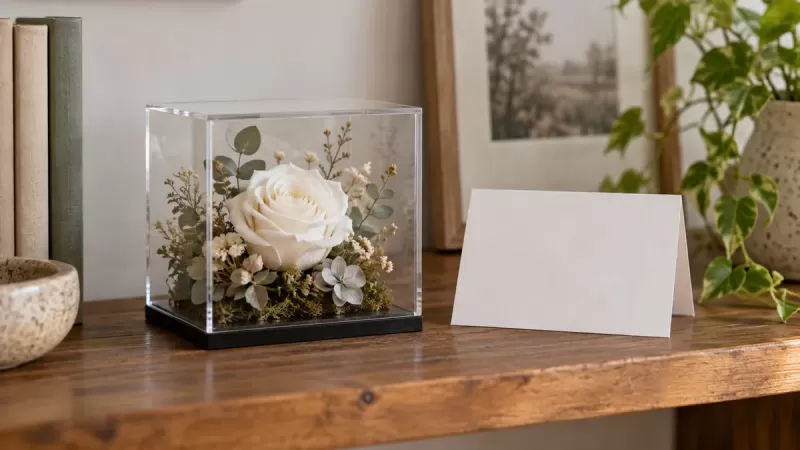
When someone loses a pet, a preserved-flower sympathy gift should be an invitation to remember, not a way to fix grief. Ask whether a small keepsake would be welcome, keep the note specific and gentle, and leave the person free to decline or wait. A flower display is only one possible gesture; listening, a message or practical help may mean more.
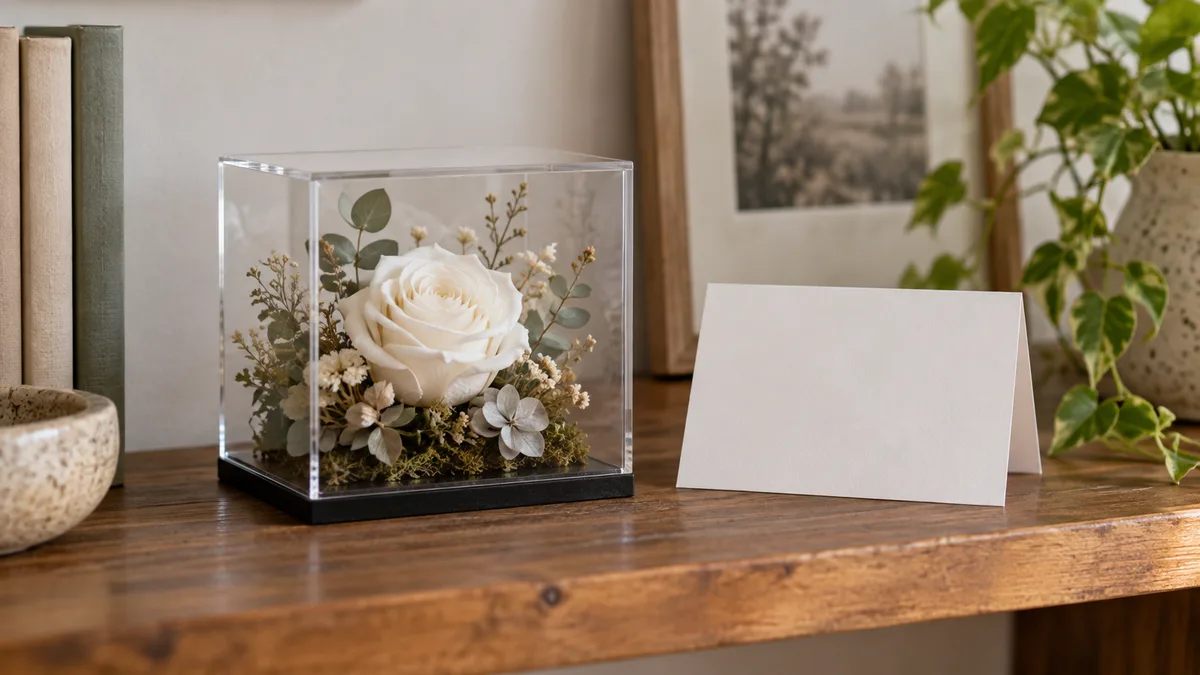
Begin with the person, not the product
Pet loss is personal. Some people want to talk about the animal immediately; others need space. Best Friends Animal Society's guidance for supporting a grieving friend emphasizes listening, respecting silence and avoiding attempts to hurry the person's feelings. Cornell's veterinary pet-loss resources likewise recognize that people respond differently and have no prescribed grieving timeline. Neither source suggests a purchased object is necessary. A gift is appropriate only if it fits the person's wishes.
Ask permission before choosing a memorial object
A simple question can prevent a well-meant surprise from becoming a burden: “Would a small flower display in memory of your pet feel welcome, or would you rather I just check in?” This is especially important if the loss is recent, the home is being rearranged, or you do not know how the person marks anniversaries. If they decline, accept it fully. You can still send a short note without asking for a response.
Keep the focus on their pet's actual story
If you knew the animal, mention a specific, kind memory: a favorite walk, a greeting at the door, or a habit that made people smile. If you did not know the pet well, avoid inventing a personality or saying you understand exactly how the person feels. A card might say, “I remember how warmly you spoke about Luna. I am thinking of you, and there is no need to reply.” Use the pet's name only when you are sure of its spelling and the recipient is comfortable seeing it.
Choose a restrained display format
A compact clear-box arrangement can be easier to place than a large bouquet, but a contained shape is not automatically right for everyone. Ask about available space and style. The live preserved-flower collection shows current formats, while our bouquet-versus-box guide helps compare two forms without claiming either is universally better. This article cannot establish current stock, dimensions or color options; use the exact listing for those details.
Personalization requires extra care
Names, dates and photos can be precious or painful. Do not add a date of death, a sentimental phrase or an image unless the person has invited that kind of remembrance. If a customizable frame appeals to them, check its live fields and preview before ordering; the personalized flower frame listing is a separate product and may not fit a pet memorial. When in doubt, a plain display and a handwritten card give the recipient more control.
Leave out promises about healing
No flower arrangement can make grief disappear or establish a timetable for feeling better. Avoid copy such as “this will help you move on” or “a lasting rose will keep your pet with you forever.” Best Friends and Cornell both frame support around the person's own experience, not a guaranteed result. The display may become meaningful if the recipient chooses it; that meaning belongs to them.
Choose color by preference, not symbolism
White or muted flowers can look calm, but no color has a universal pet-loss meaning. A person might prefer the bright color they associated with their companion, or they might want no memorial object at all. If you do not know, ask rather than assuming. The floral choice should not impose a religious belief, afterlife message or fixed grieving ritual.
Time the handoff gently
Do not turn delivery into a surprise visit or a request to host. A message such as “I can leave something at the door if that would be useful” leaves room for a no. If you are shipping, confirm an address and timing rather than relying on an old one. Some people will want a small keepsake weeks later, when immediate attention has quieted; others will not. There is no deadline that overrides their preference.
Verify the live order and policy details
The FTC's online-shopping guidance recommends reading product details and delivery and return policies before purchase. Check FLOWEROF's current delivery information and terms, especially before personalizing. If something material is unclear, use Contact Us before paying. Do not promise the recipient that a personalized item can be exchanged or that it will arrive on a particular day.
Know when not to send flowers
A sympathy gift can be wrong for a tiny home, a person who dislikes decor, or someone who has asked for privacy. A donation to an animal organization they choose, a practical errand, or a quiet check-in may be better. If you are unsure, offer choices without requiring them to decide immediately. Our broader human memorial-gift guide addresses a different recipient and occasion; do not transfer its assumptions to pet loss.
A low-pressure decision checklist
- Ask whether a small commemorative object would be welcome.
- Keep the note true to the pet and free of platitudes.
- Confirm the recipient's space, color preference and any personalization.
- Check the exact product, delivery and return terms before purchase.
- Offer a no-reply, no-visit handoff and accept a refusal.
Frequently asked questions
Is a preserved flower an appropriate pet-loss gift?
It can be, if the person wants a small commemorative display. Ask first; a card or practical support can be equally or more appropriate.
What should I write in a sympathy card?
Use a brief, sincere memory or acknowledgment of the pet by name when accurate. Avoid telling the person how they should feel or when grief should end.
Should I personalize a flower display with the pet's name?
Only with the recipient's consent, verified spelling and a live product that actually supports the requested detail. A plain display is less intrusive when you are unsure.
When should I send the gift?
Ask about timing. Some people want space immediately after the loss; others might welcome a gesture later. There is no universal schedule.
Can a flower gift help someone recover from grief?
Do not make that promise. A gift may express care, but listening and respecting the person's wishes are more important than any object.
Let kindness stay uncomplicated
The best gesture does not demand gratitude, a visit, a photo or an emotional response. If a preserved-flower display fits this person's wishes, choose it carefully and verify the live purchase details. If it does not, keep showing up in the way they actually welcome.
Leave a comment